
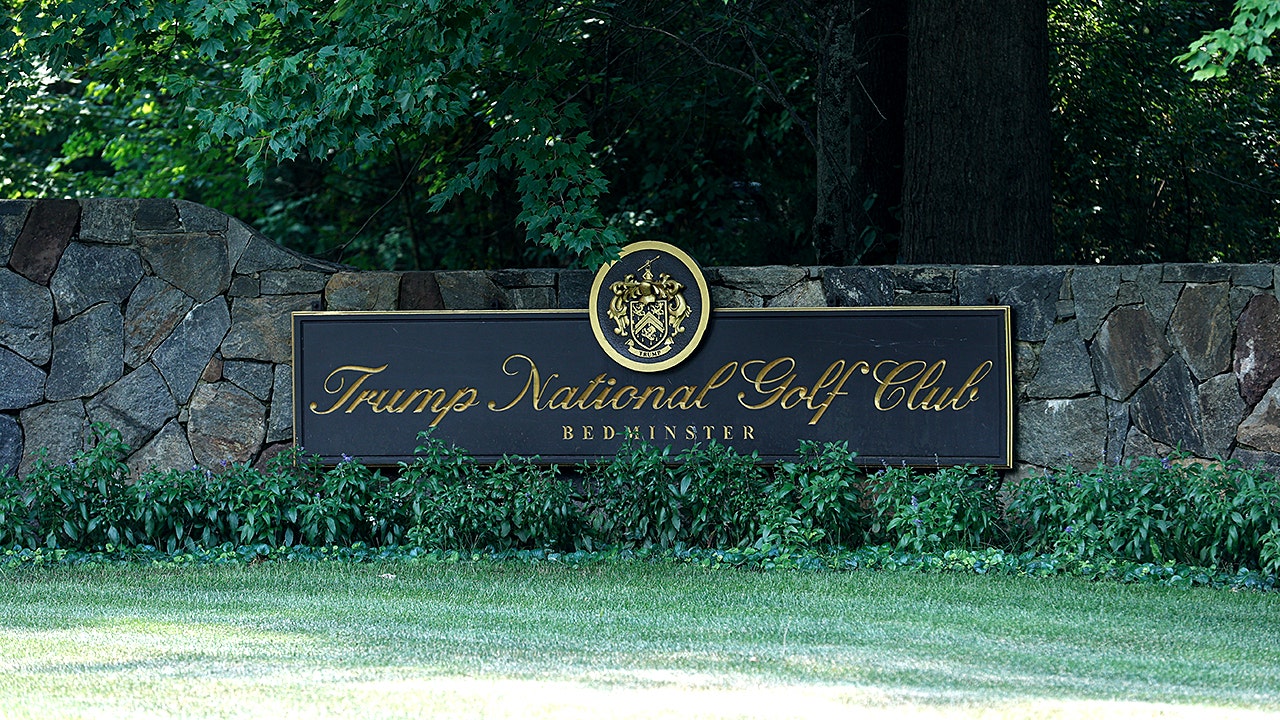
Fighter jets successfully intercepted three aircraft on Sunday that breached the temporary flight restriction (TFR) airspace over Bedminster, New Jersey, where President Trump was relaxing for the holiday weekend, according to reports from North American Aerospace Defense Command (NORAD).
The interceptions occurred throughout the day, with one aircraft being halted during the morning and two more later in the afternoon. NORAD confirmed that a total of 11 unauthorized aircraft were detected entering the TFR airspace during the weekend.
At approximately 10:30 a.m. on Sunday, a civilian plane flew into the restricted zone and was promptly escorted out by a NORAD aircraft.
“NORAD and the Federal Aviation Administration (FAA) work diligently to maintain safety in U.S. airspace, particularly in areas designated as having Temporary Flight Restrictions (TFR). This vigilance is crucial for ensuring flight safety, national security, and the protection of the President,” stated Gen. Gregory Guillot, Commander of NORAD and U.S. Northern Command. “The frequency of TFR violations this weekend suggests that some civilian pilots may not be adequately reviewing Notices to Airmen, or NOTAMs, prior to their flights as mandated by the FAA.”
In total, 11 civilian aircraft encountered TFR airspace over the Fourth of July weekend, according to NORAD’s findings.
Guillot emphasized that NORAD’s armed fighter jets are tasked with intercepting and directing non-compliant aircraft away from restricted airspace. “If pilots find themselves intercepted by either military jets or helicopters, they should promptly tune into frequencies 121.5 or 243.0 and reverse their course until they receive further instructions on those channels,” he added.
In a separate incident on Saturday, another aircraft was escorted out of the TFR airspace just before 2:40 p.m. A standard maneuver, referred to as the “headbutt,” was utilized to draw the pilot’s attention. This involves a military jet flying directly in front of a civilian aircraft at a close yet safe distance to visually signal the pilot to alter their path.
Officials are reminding private pilots of the importance of thorough preparation before taking off. “Avoiding violations of Temporary Flight Restrictions (TFR) is crucial for ensuring flight safety across North America,” NORAD emphasized in a advisory to pilots. “It is imperative that all pilots familiarize themselves with updates to restricted airspace by reviewing both new and existing FAA NOTAMs that may affect their flight plans and operations. Compliance with FAA restricted airspace protocols is not optional and applies universally, irrespective of geographical area, aircraft type, or flight crew.”
 Priyam Gera