
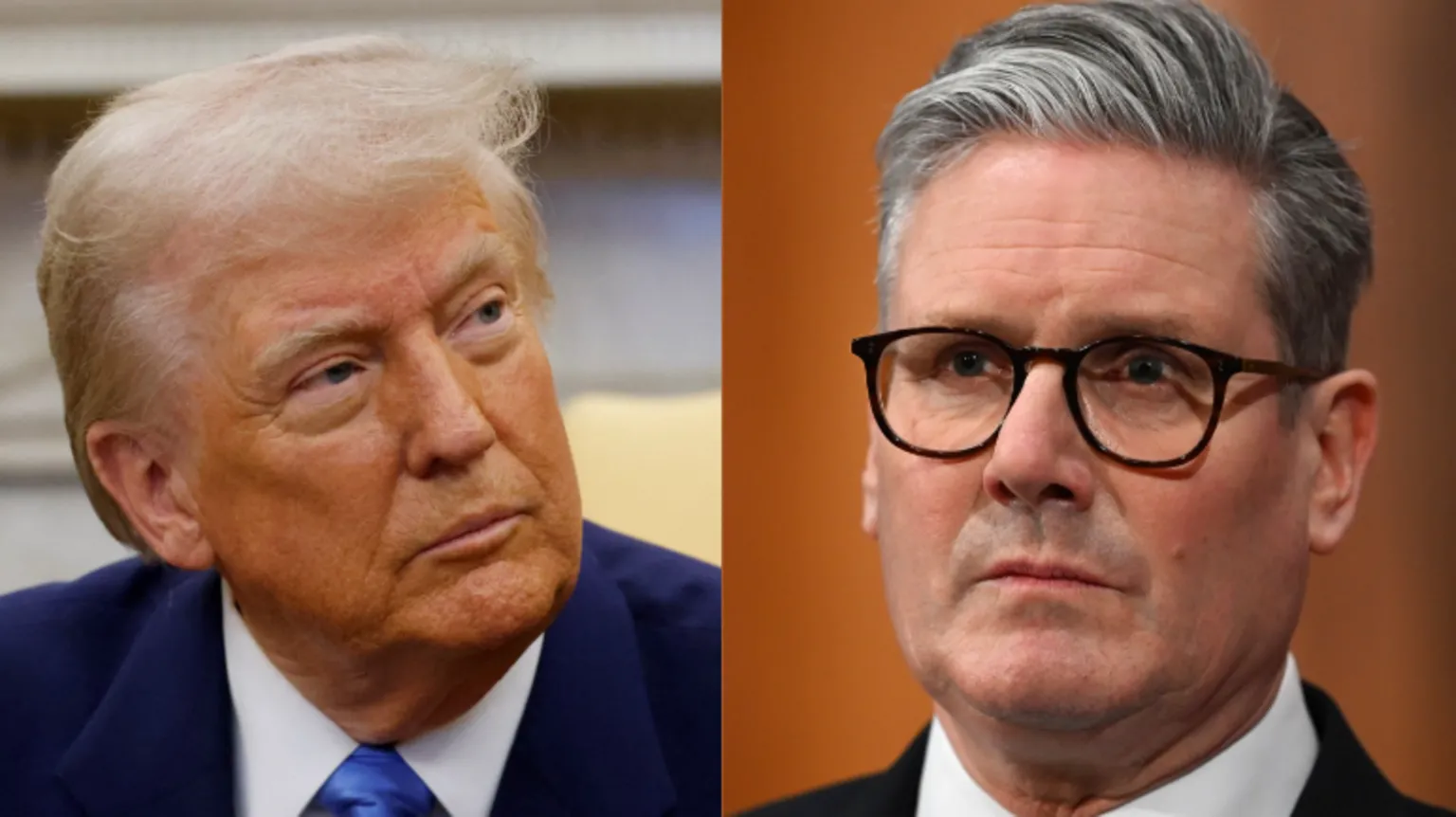
Sir Keir Starmer’s commitment to boost defence spending is set to have significant implications. In the long run, this move could bolster the UK’s capacity to protect itself, but in the short term, it is likely to divert billions from foreign aid.
What, however, will this translate to in terms of diplomatic leverage when he visits Washington?
Historically, when dignitaries visited emperors, they brought gifts and tributes. Now, Starmer is poised to arrive at the White House with a substantial offering labeled “increased defence spending.”
Former President Donald Trump is merely the most recent in a succession of US leaders who have pressed European nations to enhance their own defence budgets.
Starmer will have the opportunity to inform the president that he has acknowledged and addressed this call for increased spending. Nonetheless, he may prefer that Trump refrain from probing too deeply into specifics: What does an additional 0.2% of GDP equate to in actual funds? When will the UK reach the target of 3% for defence spending?
What Starmer aims to convey is that the UK is aligning itself with Trump’s expectations.
Initial responses appear promising. Peter Hegseth, the US Secretary of Defence, has communicated with his UK counterpart, John Healey, and referred to the increase as “a robust move by a lasting ally.”
Consequently, Starmer’s declaration could very well open doors for him in the White House and warrant attention from the president.
But will this assist in advocating for the security of Ukraine and Europe? Might Trump now be more receptive to allowing a place at the negotiating table for the UK? Could he become more inclined towards the notion that the United States should assume some responsibility for ensuring post-war Ukraine’s security, providing air support, logistics, and intelligence to European forces aiding in peacekeeping efforts on the ground?
The responses to these queries are far from straightforward. The prime minister might argue that the UK is exhibiting leadership, setting a precedent for other European allies to emulate.
Furthermore, he might contend that the increased defence budget signals that the UK won’t have to make what he describes as the “historic mistake” of choosing between Europe and the US, particularly complicated by the recent US vote alongside Russia against Ukraine and Europe at the United Nations on Monday.
 Priyam Gera