
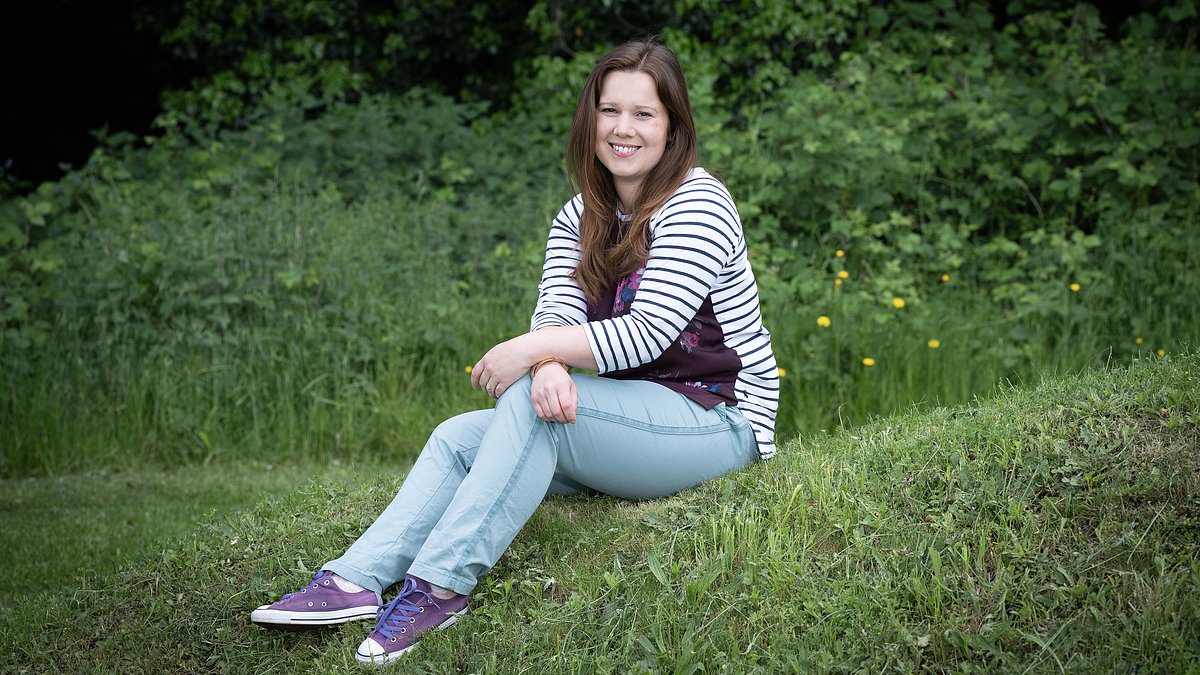
Sarah Taylor, a resident of Berkshire, faces a nightly ordeal that most of us would never imagine. At 32 years old, she grapples with severe sleepwalking, uncertain of the nocturnal activities that await her – she could whip up a meal, construct a pillow fortress reminiscent of childhood days, or venture outdoors barefoot, all unknowingly.
The saga began during Sarah’s university days when she and her housemates would awaken to a topsy-turvy scene – doors ajar, cupboards flung wide open, and food strewn about. Speculations about a phantom presence circulated among them until an incident brought the truth to light.
One fateful night, Sarah awoke at the kitchen counter, bread in hand, reaching into the cupboard for a spread. It dawned on her that the chaotic occurrences were not ghostly interventions but her own doing – she was sleepwalking.
Since then, mysterious cuts and bruises have become commonplace, along with peculiar instances like finding her shoes relocated after unexplained nighttime excursions outdoors.
Recalling peculiar incidents, Sarah narrates how she once pilfered the pillows from beneath her sleeping husband’s head to construct a whimsical pillow fort on the floor – eyes wide open yet in deep slumber.
On another occasion, a stash of freshly acquired doughnuts vanished overnight, leaving behind an empty tray and crumbs in the sink, much to Sarah’s bewilderment. Her husband recounted a bizarre incident where she rambled about attending a party with Batman, her sleepwalking self a puzzling enigma to witness.
The stress leading up to her 2014 wedding exacerbated her nocturnal escapades, resulting in physical discomfort akin to post-workout soreness. Despite James’ efforts to fortify their abode with locks and bolts, Sarah’s unconscious self found a way to bypass these safeguards.
Seeking recourse from her GP proved futile, with reassurances that no remedy existed for her condition. Professor Guy Leschziner, a neurology consultant at Guy’s and St Thomas’ Hospital in London, sheds light on sleepwalking, elucidating it as a manifestation of non-REM parasomnias stemming from deep sleep stages.
Estimates indicate that 1 to 2 percent of adults in the UK grapple with sleepwalking, with stress and dietary factors serving as triggers for some individuals. Sarah, in particular, identifies stress and dieting as catalysts for her somnambulistic episodes, leading her to abandon restrictive eating habits to alleviate nocturnal wanderings.
For Sarah, the urgency lies in the potential hazards her nighttime exploits pose, pondering the extent of her capabilities while sleepwalking – a chilling prospect that fuels her trepidation.
While interventions such as stress management, sound avoidance, and environmental modifications offer initial respite, advanced cases may necessitate a sleep clinic evaluation or pharmacological interventions as Professor Leschziner underscores the complexities of addressing severe sleepwalking instances.
Through Sarah’s arduous diagnostic journey and with mounting concerns over the implications of her nocturnal ventures, she advocates for heightened awareness and empathy towards the gravity of sleepwalking, dispelling misconceptions surrounding this disquieting phenomenon.