
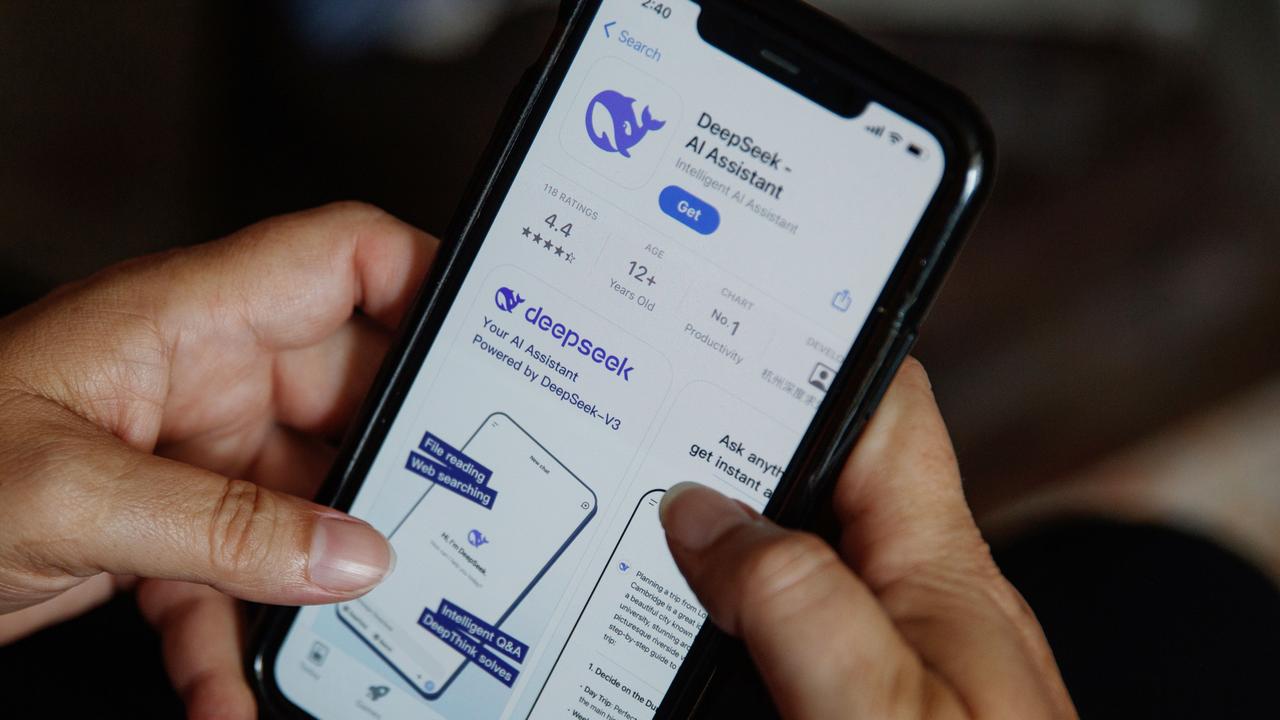
Chinese AI disruptor DeepSeek is set to be banned across all Commonwealth systems and devices after national security and intelligence agencies concluded that the app represents an “unacceptable risk” to government technology infrastructures.
In a swift response, all employees and departments within the Commonwealth have been instructed to promptly remove the application from government-issued computers and mobile devices, with a confirmation of completion required to be sent to the Department of Home Affairs.
This mandatory order came from Home Affairs Secretary Stephanie Foster, who invoked national security provisions under the Protective Security Policy Framework.
Home Affairs Minister Tony Burke emphasized the government’s dedication to “swift and decisive action to protect Australia’s national security and national interests,” while clarifying that this decision should not be perceived as an attack on China.
“AI is a realm filled with immense potential and opportunities—however, when our agencies identify a national security threat, we will not hesitate to respond appropriately,” Burke stated. “Our approach remains country-agnostic and is grounded solely in protecting the Australian government and its assets.”
While there is no specific directive mandating the ban of the app on personal devices, the government has encouraged Australians to be vigilant about their privacy and to carefully assess the data management practices of each platform they utilize.
In a similar vein, earlier in 2023, the Albanese government enacted measures against the video-sharing platform TikTok, owned by the Chinese tech company ByteDance.
Recently, other nations such as Taiwan, Italy, and various U.S. state governments have also taken steps to ban DeepSeek, with New South Wales’ state government specifically blocking the chatbot due to privacy issues.
DeepSeek made waves in the tech industry upon the launch of its sophisticated R1 chatbot, which positions itself as a competitor to established tools like OpenAI’s ChatGPT, Microsoft’s Copilot, and Google’s Gemini.
This marked China’s significant foray into the burgeoning AI arms race, historically dominated by the U.S., with former U.S. President Donald Trump calling it a “wake-up call” for Silicon Valley.
The launch of the R1 chatbot also contributed to a staggering $1 trillion decline in the valuation of U.S. chip producer Nvidia, a key supplier for major companies including Microsoft, Meta, Tesla, Amazon, and Apple.
 Priyam Gera