
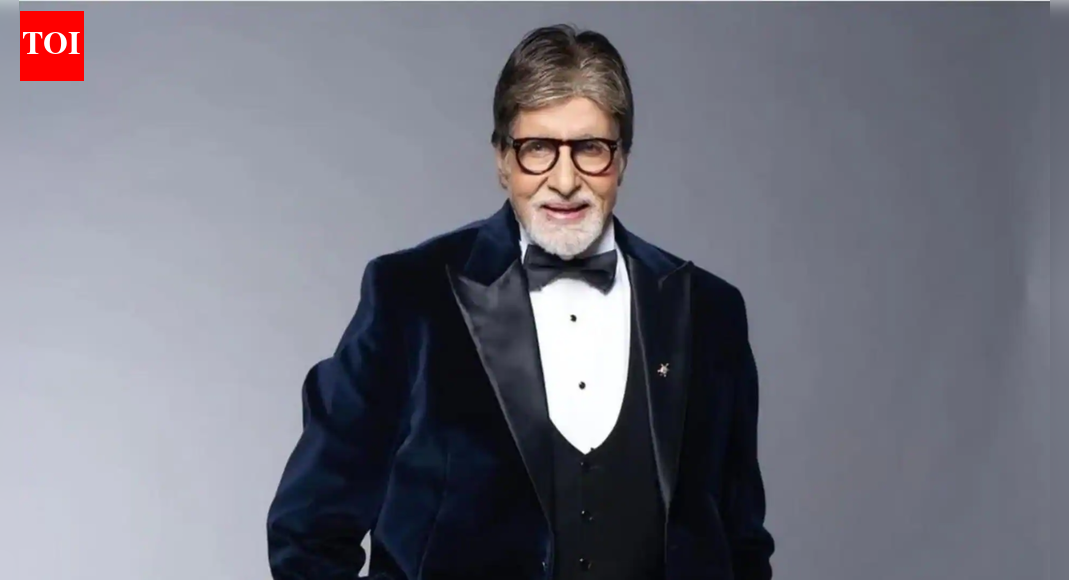
Amitabh Bachchan holds a profound belief that an artist’s journey is never complete until every ounce of focus is poured into their work. The creative process doesn’t truly end with the final stroke; even after finishing, thoughts loop back to the project, constantly seeking ways to enhance and questioning if it measures up. He underscores the significance of inner reflection for an artist’s ongoing development, prioritizing personal evaluation over outside approval.
In a recent blog post, Bollywood icon Amitabh Bachchan opened up about what “job done” really signifies for him. He conveyed that true craftsmanship demands unwavering attention and commitment. Only when one has fully engaged with their craft can they confidently utter, “Job done.”
**Full Focus is Essential**
He articulated, "When work calls, it demands attention and dedication… to meet set timelines and achieve closure. The phrase ‘job done’ is one I adopted from distant lands, encapsulating the essence of what’s needed to convey a given task in its completed form. Yet, upon reaching that finish line, reflection sets in—was it executed to its fullest potential? Was it truly delivered at its best? Will it be received as such? These persistent thoughts often keep the mind restless, compelling the artist to elevate their work, again and again, in pursuit of satisfaction."
**The Mind Never Stops**
But for Big B, the narrative doesn’t stop there. He continues to explore how, after a job is supposedly “done,” thoughts keep circulating: was it really the best effort? Could it have been improved? Will it gain the acceptance it seeks? He shared that this inner dialogue is a source of tension, preventing true relaxation for the artist. "Though the task was completed days ago," he notes, "the nagging need for growth pulls the soul back to the creative desk, the tool that embraces the moment. While it’s common to receive accolades and validation from ‘others’ (ah, there’s that word again), the artist must grapple with their inner dialogue.”
Bachchan also emphasized that self-assessment should be a quiet, personal endeavor. “Your own silent evaluation may be essential for personal growth,” he suggests, “though it’s important to recognize that ‘perfection’ may not even exist—who are we to dictate standards of excellence?”
 Zapier Syndica.ai